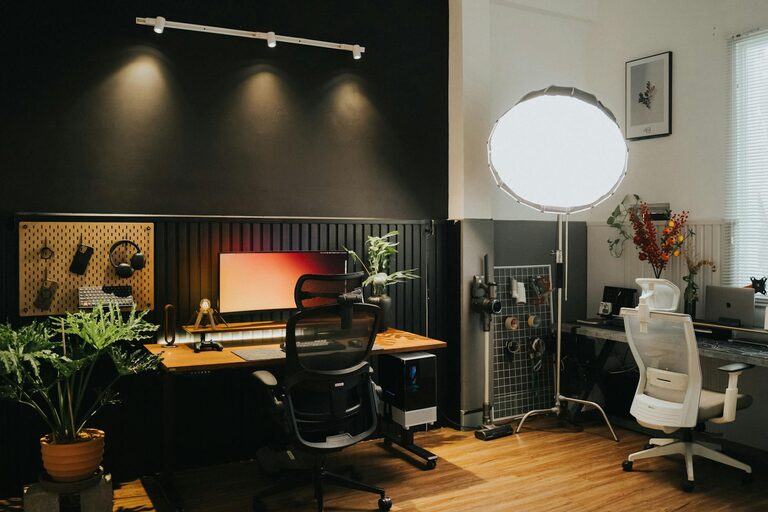
Creating a cozy and inviting home office space is essential for maintaining productivity and comfort while working from home. Whether you have a dedicated room or just a small corner, making your workspace inviting can improve your mood and efficiency. Here are practical tips to help you design a home office that feels comfortable, organized, and inspiring.
Choose the Right Location
Find a Quiet Spot
Select an area in your home with minimal distractions and noise. This could be a spare room, a corner of your living room, or even a section of your bedroom. The key is to have a space where you can focus without many interruptions.
Consider Natural Light
Position your desk near a window if possible. Natural light can lift your mood and reduce eye strain. If direct sunlight causes glare on your computer screen, use sheer curtains or blinds to soften it.
Invest in Comfortable Furniture
Ergonomic Chair and Desk
A comfortable chair with good lumbar support and a desk at the right height are vital. Ergonomic furniture helps prevent back pain and encourages good posture, essential when spending several hours working.
Add Soft Furnishings
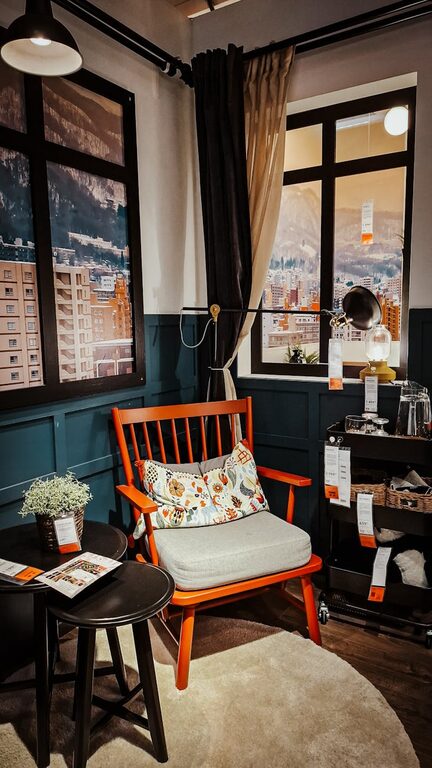
Incorporate cushions or a soft throw on your chair to add warmth and comfort. A small rug can also make the area feel more inviting and cozy.
Personalize Your Space
Use Colors That Inspire
Choose colors that make you feel calm and focused. Soft neutrals like beige, light gray, or pastel tones are soothing, while brighter accents can inject energy and creativity.
Display Personal Items
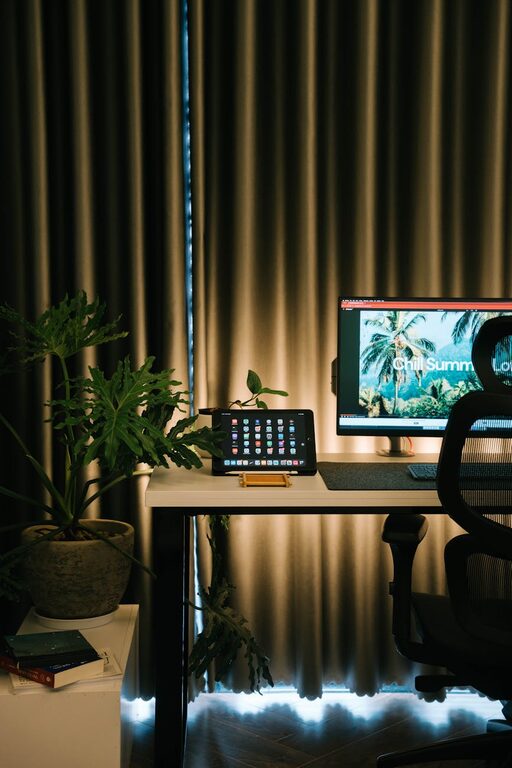
Add photos, artwork, or plants that reflect your personality. These elements bring life to your office and make it feel less sterile and more welcoming.
Organize Efficiently
Declutter Regularly
Keep your workspace tidy by removing unnecessary items. A clutter-free desk reduces stress and distractions.
Use Smart Storage Solutions
Invest in shelves, filing cabinets, or organizers to keep documents and supplies in order. Labeling boxes and drawers can also save time when searching for items.
Enhance Lighting
Layer Your Lighting
Combine natural light with ambient and task lighting. A good desk lamp with adjustable brightness can prevent eye strain during late hours.
Choose Warm Light Bulbs
Warm white bulbs create a cozy atmosphere and are easier on the eyes compared to harsh fluorescent lighting.
Add Greenery
Incorporate Plants
Plants not only improve air quality but also add a refreshing natural element. Low-maintenance plants like succulents, pothos, or snake plants are great choices.
Position Plants Thoughtfully
Place plants near your desk or on shelves where they catch some light but don’t overcrowd your workspace.
Incorporate Texture and Soft Elements
Use Textiles
Adding textured items like a knit throw, fabric-covered bulletin board, or soft curtains can make your workspace feel more comfortable and homey.
Balance Hard Surfaces
Mixing soft textures with your desk’s hard surfaces creates visual interest and warmth.
Set Boundaries and Establish Routine
Define Your Work Hours
Treat your home office like a traditional office to maintain work-life balance. Clear boundaries help you stay focused during work hours and relax afterward.
Create a Ritual
Starting your day with a consistent routine—such as a morning coffee at your desk or a brief tidying session—can signal your brain it’s time to work.
Incorporate Technology Thoughtfully
Use Efficient Equipment
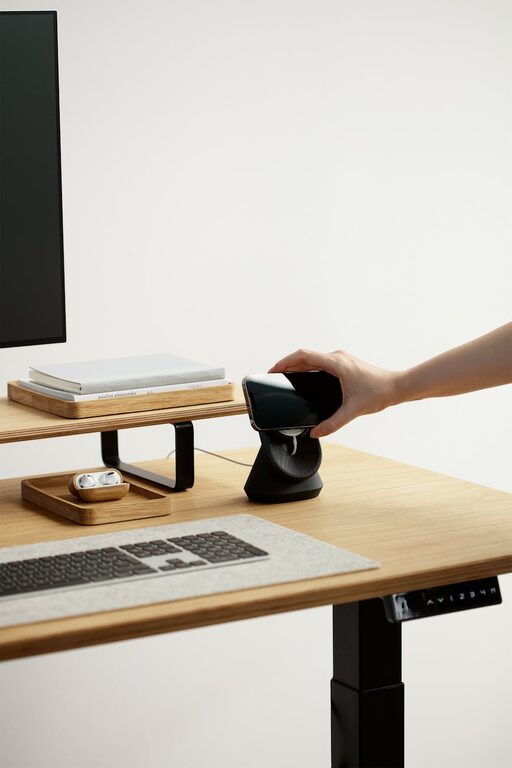
Keep your computer, keyboard, and mouse in good working order. Ergonomic keyboards and mice can reduce strain.
Manage Cables
Use cable organizers or clips to keep cords tidy and prevent your desk from looking messy.
—
By incorporating these tips, you can create a home office that feels cozy, organized, and inviting. A well-designed workspace not only enhances productivity but also makes working from home a more enjoyable experience. Remember to tailor your space to what feels most comfortable and inspiring for you.
About the Author