Creating a home office that feels cozy yet remains functional can transform your work-from-home experience. When your workspace combines comfort with efficiency, it promotes focus, reduces stress, and helps maintain a healthy work-life balance. Whether you have a dedicated room or just a corner of your living space, there are simple steps you can take to make your home office inviting and practical.
Choose the Right Location
Selecting the perfect spot for your home office is the first step. Ideally, choose a quiet area away from high-traffic zones in your home. If space is limited, consider using a spare bedroom, a nook in the living room, or even a section in your bedroom.
A spot near a window can provide natural light, which boosts mood and alertness. Avoid spaces with excessive distractions or noise. If unavoidable, noise-cancelling headphones or soft background music can help maintain concentration.
Invest in Comfortable Furniture
Comfort is key for long hours of work. Here’s what to consider when picking furniture:
– Ergonomic Chair: Support your back, neck, and arms to reduce discomfort. Adjustable chairs allow you to customize height and angle.
– Spacious Desk: Choose a desk that fits your equipment and provides room to work comfortably. For small spaces, wall-mounted desks or foldable tables can be great alternatives.
– Footrest: A footrest promotes circulation and helps maintain good posture.
– Storage Solutions: Desks with built-in drawers or shelves help keep your workspace tidy.
Optimize Lighting
Lighting affects your productivity and comfort. Use a combination of natural and artificial lighting:
– Natural Light: Position your desk near a window to enjoy daylight without causing screen glare.
– Task Lighting: A good desk lamp with adjustable brightness helps reduce eye strain.
– Ambient Lighting: Soft overhead or wall lights create a pleasant atmosphere, especially if you work early or late.
Choose bulbs with a color temperature of around 4000K, as this mimics natural daylight and helps you stay alert.
Organize and Declutter
An organized workspace promotes clear thinking and efficiency. Use these tips for effective organization:
– Declutter Regularly: Keep only essentials on your desk.
– Use Storage Containers: Bins, trays, and boxes make it easy to store supplies.
– Cable Management: Use clips or sleeves to keep cords neat and out of the way.
– Label Items: Label drawers or containers to quickly locate what you need.
A clean, orderly space reduces distractions and creates a calming environment.
Add Personal Touches
Personalizing your office can make it feel more inviting and motivational:
– Artwork or Photos: Hang pictures or artwork that inspire you.
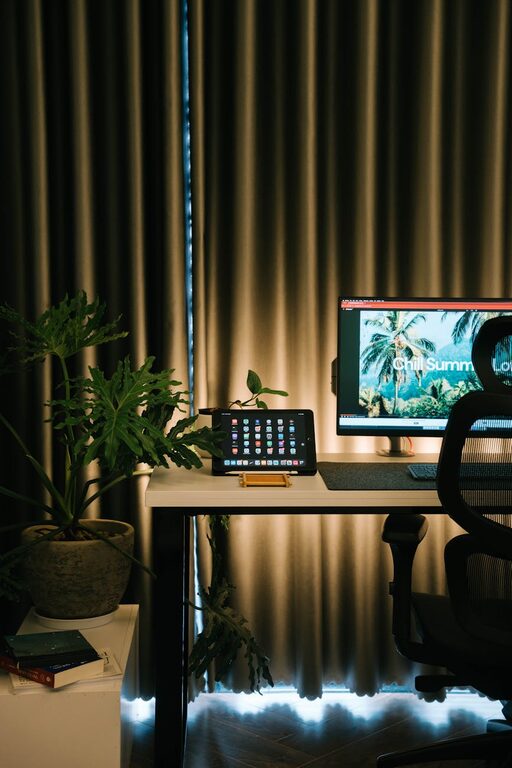
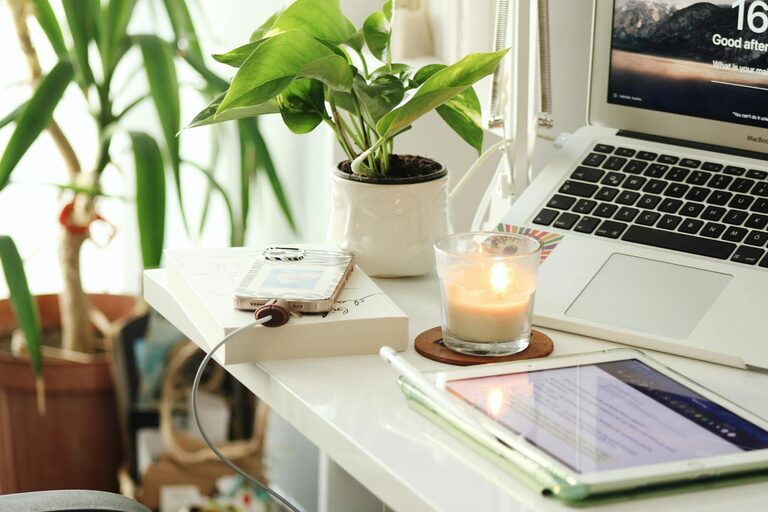
– Plants: Indoor plants improve air quality and add a touch of nature.
– Comfort Items: Keep a cozy blanket or cushion nearby.
– Color Scheme: Use calming or uplifting colors that suit your taste.
However, be careful not to overcrowd the space; keep it balanced and functional.
Incorporate Technology Wisely
Choose technology and accessories that enhance your work without cluttering the space:
– Reliable Equipment: Invest in a good computer, printer, and internet connection.
– Wireless Devices: Wireless keyboards, mouse, and headphones reduce cable clutter.
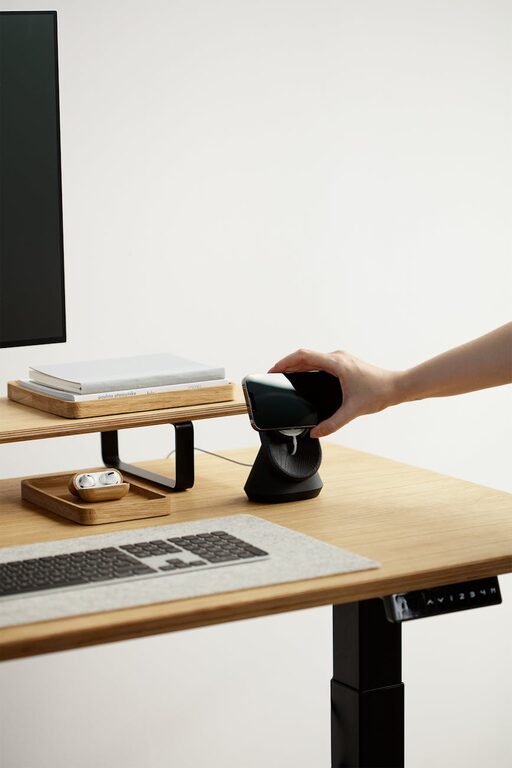
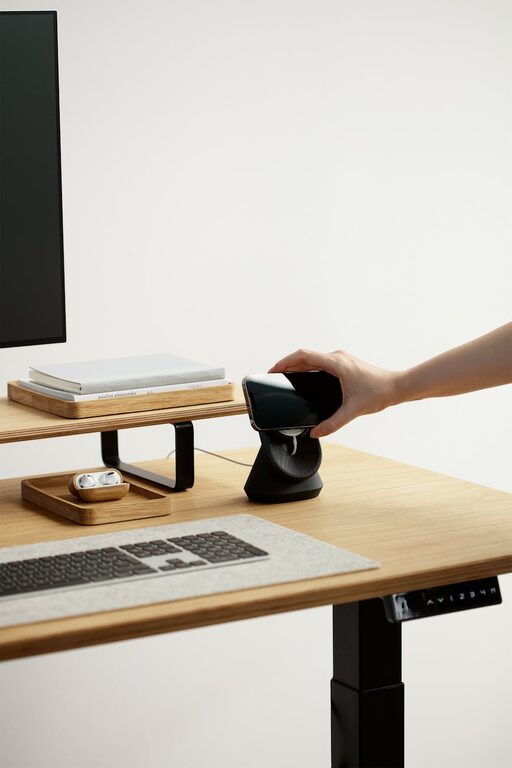
– Monitor Stands: Elevate your monitor for better posture.
– Multi-Functional Devices: Devices like printers with scanning and copying reduce the need for multiple gadgets.
Keep your tech setup clean and ergonomic to prevent fatigue.
Manage Noise Levels
Noise can be distracting in a home office. Here are ways to manage it:
– Soundproofing: Use rugs, curtains, or acoustic panels to absorb sound.
– White Noise: A white noise machine or app can help mask background sounds.
– Headphones: Noise-cancelling headphones are effective in noisy environments.
A quieter workspace improves focus and reduces stress.
Establish Boundaries and Routine
Creating both physical and psychological boundaries helps separate work from personal life:
– Dedicated Workspace: Limit work to your home office space.
– Work Hours: Set a schedule and stick to it.
– Break Area: Have a spot nearby for short breaks to refresh.
– End-of-Day Routine: Tidy your space and shut down devices to signal the end of work.
Clear boundaries contribute to mental well-being and productivity.
Prioritize Air Quality and Temperature
Comfort also comes from a pleasant environment:
– Ventilation: Open windows or use an air purifier to keep air fresh.
– Temperature Control: Use fans, heaters, or air conditioners to maintain a comfortable temperature.
– Humidity Levels: A humidifier or dehumidifier can help balance moisture, especially in extreme climates.
A comfortable atmosphere helps you stay alert and healthy.
—
By thoughtfully combining these elements, you can create a home office space that is both cozy and highly functional. The right environment encourages productivity and makes working from home a more enjoyable experience. Remember, your workspace should reflect your unique needs and preferences, so don’t hesitate to adjust these tips to what feels best for you.
About the Author