Creating a home office that is both cozy and productive can significantly improve your work-from-home experience. Whether you have a dedicated room or a small corner, designing a functional and inviting workspace helps boost focus and reduces stress. In this post, we’ll share practical tips to help you create a comfortable home office that supports your productivity.
Choose the Right Location
One of the first steps to setting up a home office is selecting the right spot. Ideally, pick a quiet area with minimal distractions. If you have a spare room, that’s perfect. If not, consider a nook in your living room, bedroom, or even a section of your dining area.
Consider Natural Light
Working near a window offers the benefit of natural light, which can improve mood and reduce eye strain. Position your desk so that sunlight doesn’t cause glare on your computer screen, ideally with light coming from the side.
Invest in Ergonomic Furniture
Comfort is key to maintaining productivity. Investing in ergonomic furniture helps you stay comfortable and prevents strain during long work hours.
– Chair: Choose a supportive chair with adjustable height, good lumbar support, and comfortable cushioning.
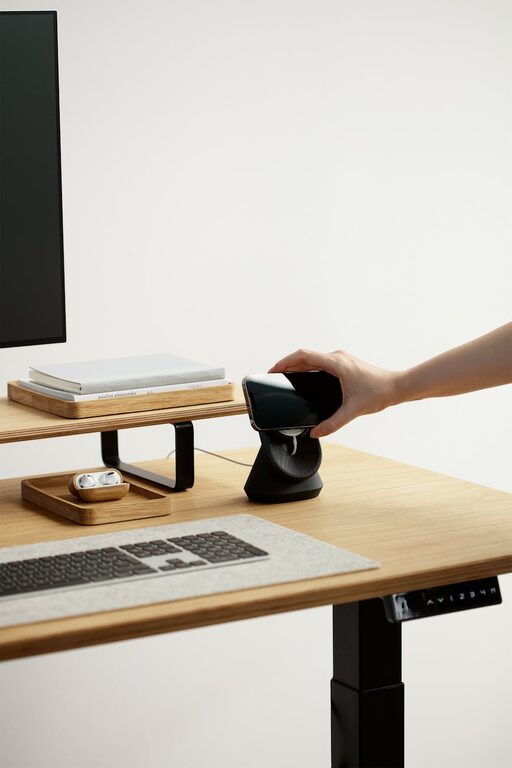
– Desk: Select a desk with enough surface area for your computer, documents, and other essentials. Consider adjustable desks if you want the option to work standing.
– Accessories: A keyboard tray, monitor stand, or footrest can enhance your posture and comfort.
Keep Your Space Organized
A clutter-free environment promotes focus and reduces stress. Here are some ways to stay organized:
– Use filing cabinets, shelves, or storage boxes to keep documents and supplies tidy.
– Keep only essential items on your desk to avoid distractions.
– Utilize cable organizers to manage cords and prevent tangles.
Enhance Lighting for Comfort and Focus
Proper lighting is crucial in a home office. Besides natural light, invest in good artificial lighting options.
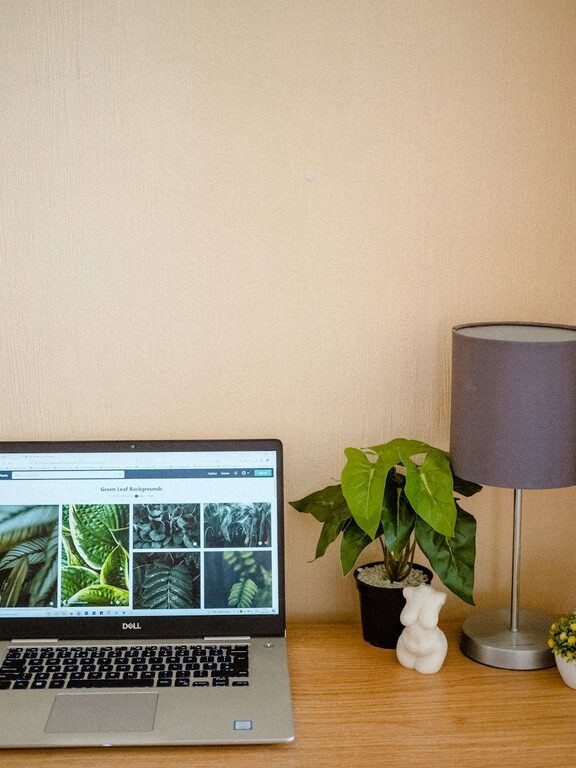
– A desk lamp with adjustable brightness can help focus light where you need it most.
– Use soft white bulbs for a warm atmosphere, which creates a cozy environment while reducing eye fatigue.
– Avoid harsh overhead lighting that can cause glare or shadows.
Personalize Your Workspace
Adding personal touches can make your home office feel inviting and motivating.
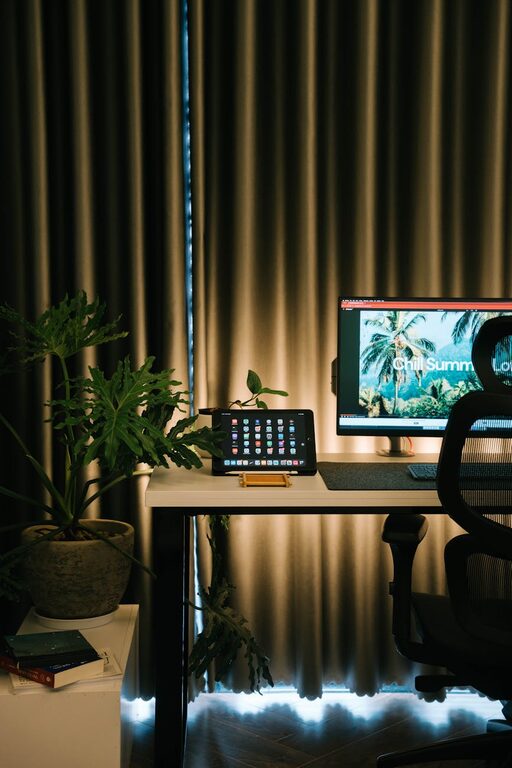
– Decorate with plants to improve air quality and bring life to your space.
– Display artwork, photos, or inspirational quotes that lift your spirits.
– Choose colors that make you feel calm and focused, such as soft blues, greens, or neutrals.
Minimize Noise Distractions
Noise can be a significant distraction when working from home. Here are some ways to reduce unwanted sounds:
– Use noise-canceling headphones or play background music or white noise if complete silence is distracting.
– Close doors and windows to block outside noise when possible.
– Place rugs or curtains to help absorb sound and reduce echo.
Establish Clear Boundaries
To maintain productivity, it’s helpful to create physical and mental boundaries.
– Set specific work hours and stick to them to separate work time from personal time.
– Communicate your schedule with family or housemates to minimize interruptions.
– Use room dividers or screens if your office shares space with other activities.
Incorporate Technology Wisely
Technology is a big part of any home office, but it’s important to use it effectively.
– Ensure you have a reliable internet connection for smooth video calls and downloads.
– Keep your computer and software updated for security and efficiency.
– Use productivity apps or planners to organize tasks and deadlines.
Take Regular Breaks and Move
Even in a cozy office, it’s important to step away regularly to recharge.
– Follow the 20-20-20 rule: every 20 minutes, look at something 20 feet away for 20 seconds to reduce eye strain.
– Stand up, stretch, or take a short walk to keep your body active.
– Use break times to hydrate and refresh your mind.
Final Thoughts
Designing a home office that balances coziness and productivity takes some planning but can make a big difference in your workday. By choosing the right location, investing in ergonomic furniture, maintaining organization, and personalizing your space, you can create an environment that supports focus and well-being. Remember that comfort and functionality go hand in hand for the best results. Enjoy making your home office a place you look forward to working in each day!
About the Author