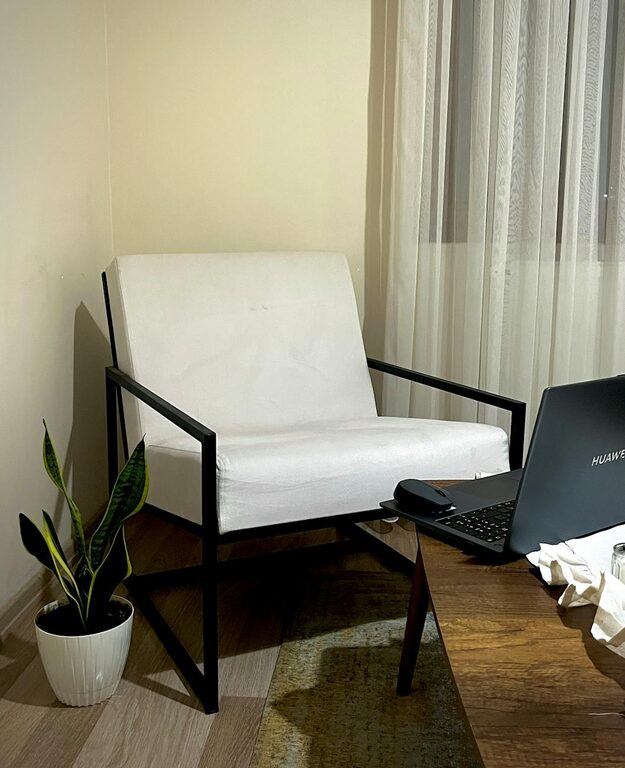
Creating a relaxing home office environment is essential for maintaining focus, reducing stress, and staying productive throughout your workday. Whether you’re working remotely full-time or occasionally from home, your workspace can have a big impact on how you feel and perform. In this post, we’ll explore practical tips to help you design a comfortable and calming home office tailored to your needs.
Why a Relaxing Workspace Matters
A cluttered or noisy workspace can increase distractions and elevate stress levels. Conversely, a well-organized and soothing environment can foster creativity, concentration, and a healthier work-life balance. Taking time to optimize your home office setup benefits not only your productivity but your overall well-being.
Choose the Right Location
Selecting the best spot for your home office is the first step. Ideally, find a quiet area where daily distractions like TV noise or household traffic are limited. Natural light is a big plus, so look for a room with windows or a bright corner of a room. If space is limited, consider using screens or room dividers to separate your workspace from other living areas visually.
Invest in Comfortable Furniture
Ergonomic furniture can make a huge difference in your comfort and health.
– Ergonomic Chair: Choose a chair with good lumbar support and adjustable height to maintain proper posture.
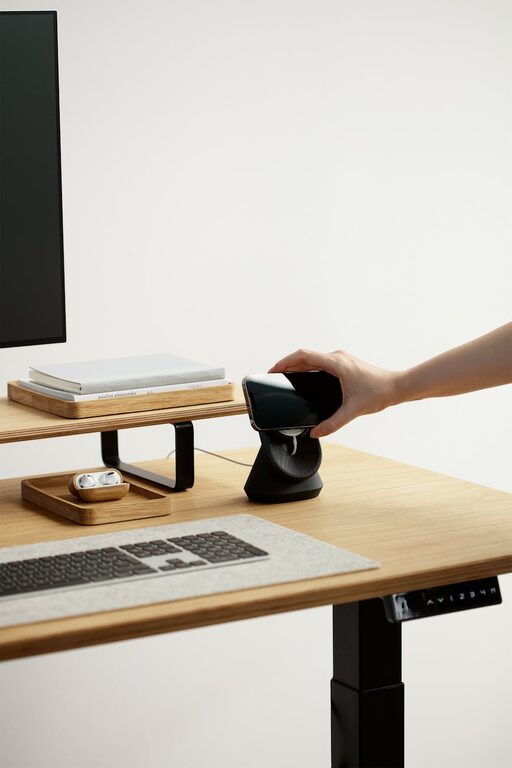
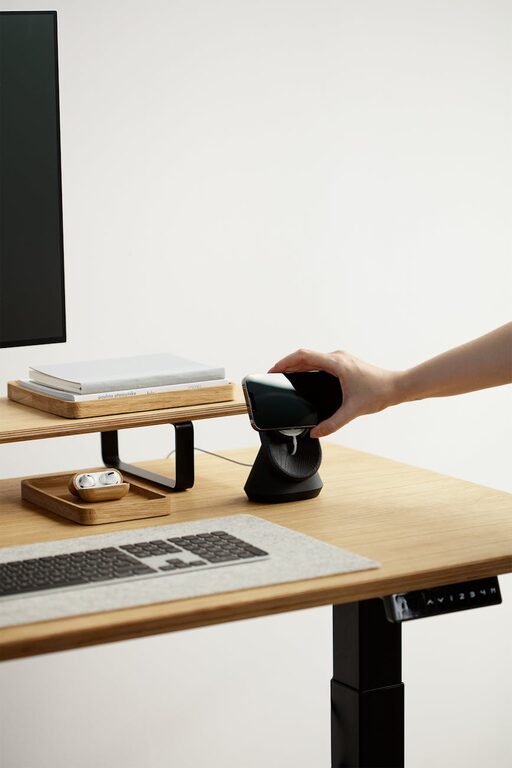
– Desk: Select a desk at the right height for you, allowing your arms to rest comfortably while typing.
– Footrest and Accessories: Consider a footrest to reduce leg fatigue, and keep frequently used items within easy reach.
Comfortable furniture reduces physical strain and helps you stay focused longer.
Organize and Declutter Your Space
Clutter can lead to mental overload. Keep your workspace tidy by:
– Using storage solutions like shelves, bins, and filing cabinets.
– Keeping only essential items on your desk.
– Setting a daily or weekly routine to tidy up.
A clean space helps clear your mind, making it easier to concentrate and reduces feelings of overwhelm.
Add Calming Colors and Personal Touches
Colors affect mood and productivity. Soft, neutral tones such as light blues, greens, or beige evoke calmness and focus. You can also incorporate inspiring personal touches:
– Artwork or photos that make you happy.
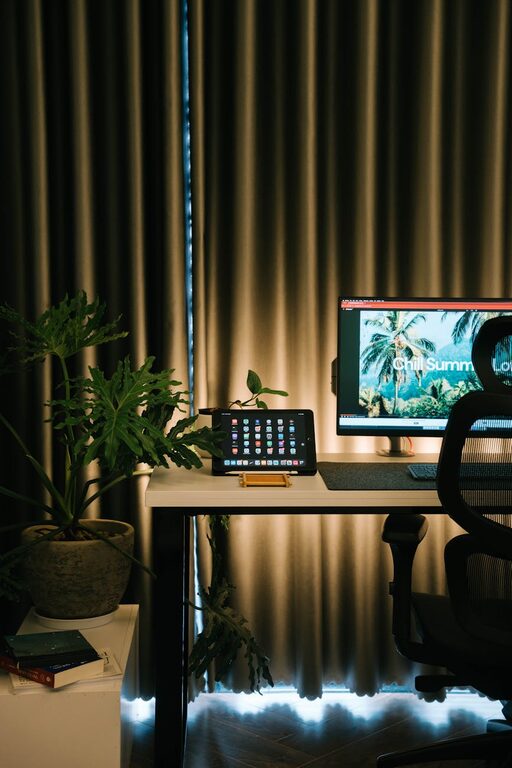
– Plants to bring nature indoors and improve air quality.
– A cozy rug or cushions to soften the room’s feel.
Personalizing your office creates a welcoming environment where you enjoy spending time.
Manage Lighting Effectively
Good lighting is crucial for comfort and eye health.
– Make the most of natural light during the day.
– Use adjustable desk lamps to reduce glare on screens.
– Avoid harsh overhead lighting; opt for warm, indirect lights.
Proper lighting reduces eye strain and helps maintain energy levels.
Minimize Noise and Distractions
Noise can interrupt your flow and increase stress. To create a quieter environment:
– Use noise-cancelling headphones or white noise machines.
– Consider soundproofing with heavy curtains or carpets.
– Establish boundaries with family or housemates during work hours.
Reducing interruptions makes it easier to stay on task and promotes relaxation.
Incorporate Relaxation Break Areas
Take regular breaks to recharge. If possible, set up a small corner with:
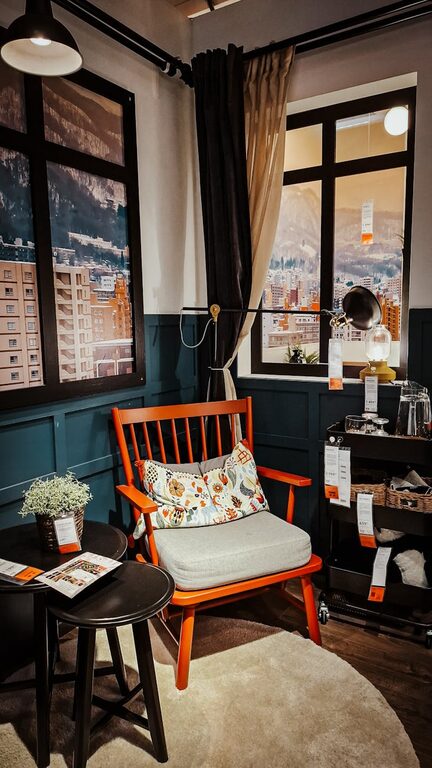
– A comfortable chair or cushion for stretching or meditation.
– Soothing scents from candles or essential oils.
– Books or magazines for a non-screen mental break.
These simple additions encourage short breaks that refresh your mind and body.
Maintain Good Air Quality
A well-ventilated space improves concentration and comfort.
– Open windows when weather permits to let fresh air in.
– Add indoor plants known for air purification, like snake plants or pothos.
– Use an air purifier to reduce dust and allergens.
Good air quality keeps you feeling alert and healthy.
Establish a Routine and Boundaries
Finally, a relaxing home office isn’t just about the physical space. Establish clear routines:
– Set consistent work hours and stick to them.
– Schedule regular breaks and time for lunch away from your desk.
– Communicate your work hours to household members to minimize interruptions.
Clear boundaries help separate work time from personal life, easing stress.
—
Conclusion
Creating a relaxing home office environment is a blend of thoughtful design, comfort, and routine. By choosing the right location, investing in ergonomic furniture, organizing your space, and managing lighting and noise, you can transform your workspace into a peaceful retreat. Adding personal touches and prioritizing well-being through breaks and air quality further supports your productivity and happiness. With these tips, your home office can become a place you look forward to working in every day.
About the Author